
Leading Selection Of Storm Damage Restoration Products
Browse high-performance products that help you handle storm damage repairs with confidence and ease.
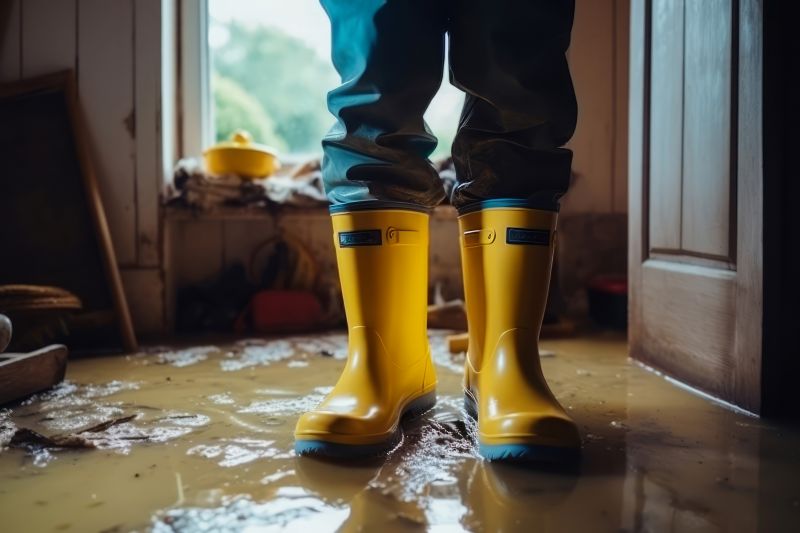 Storm restorations in Nampa, ID, often require a comprehensive approach to repair and reinforce structures affected by severe weather events. Essential products in this process include durable roofing materials, waterproof sealants, and reinforced siding options designed to withstand high winds, heavy rain, and hail. Properly selecting and utilizing these products can help restore safety and integrity to homes and businesses after a storm. It is important to consider the specific needs of the property, local weather patterns, and the severity of past storm damage when choosing restoration products.
Top Overall Option
Heavy-Duty Weatherproofing Sealant
A versatile, high-performance sealant designed to provide long-lasting waterproof and windproof protection for roofs, siding, and windows. Its durability makes it suitable for withstanding harsh storm conditions, helping to prevent leaks and structural damage over time.
Types of Products For Storm Restorations
Impact-Resistant Roofing Materials
Roofing options engineered to resist hail, high winds, and heavy rain, offering enhanced protection for storm-prone areas.
Waterproof Sealants and Coatings
Sealants designed to prevent water infiltration around joints, windows, and roof penetrations, ensuring a dry interior.
Reinforced Siding Panels
Durable siding options that can withstand impact and harsh weather, helping to maintain the exterior integrity of buildings.
Heavy-Duty Ladders and Scaffolding
Equipment essential for safe access during repair work, especially on elevated or hard-to-reach areas.
Storm-Resistant Windows and Shutters
Windows and shutters designed to minimize damage from flying debris and high winds.
Hail-Impact Windows
Specialized windows that provide enhanced resistance to hail damage, protecting the interior from impact.
Roof Underlayment and Underlayment Tape
Protective layers installed beneath roofing materials to add extra waterproofing and wind resistance.
Structural Reinforcement Products
Braces, straps, and other reinforcements used to strengthen vulnerable parts of a building against storm forces.
Emergency Flood Barriers
Portable barriers that can be deployed quickly to prevent floodwaters from entering properties.
Gutter Guards and Storm Drain Covers
Products that help prevent clogging and ensure proper drainage during heavy rainfall.
Weatherproof Paints and Coatings
Protective paints that add an extra layer of defense against moisture and wind damage.
Portable Generators
Reliable power sources for storm recovery efforts, especially during outages.
Dehumidifiers and Air Purifiers
Equipment to reduce moisture and improve indoor air quality after storm damage.
Tarps and Coverings
Heavy-duty tarps for temporary protection of damaged areas during repairs.
Storm Debris Removal Tools
Equipment such as chainsaws, leaf blowers, and debris bins to facilitate cleanup efforts.
Insulation for Storm Damage Repair
High-quality insulation materials to restore energy efficiency and prevent further moisture intrusion.
Popular Choices
Shingles designed to withstand impact and high winds, commonly used in storm-prone areas.
Paints formulated to resist moisture and wind-driven rain, providing added protection for exterior surfaces.
Windows with reinforced glass and framing to reduce damage from debris and high winds.
Ladders built to support safe access for roof and gutter repairs during storm restoration.
Portable barriers that can be quickly deployed to protect properties from flooding.
Shutters designed to shield windows from debris and wind during storms.
Protective layers installed beneath roofing materials to improve waterproofing and wind resistance.
Siding options that provide additional impact resistance and durability.
Heavy-duty covers to prevent clogging and facilitate drainage during heavy rains.
Sealants used to reinforce joints and prevent water infiltration after storm damage.
Reliable backup power sources for recovery operations during outages.
Protective covers to prevent debris buildup and ensure proper drainage.
Durable tarps for temporary covering of damaged areas during repairs.
Windows designed to withstand impact from debris and high winds.
Straps and braces used to strengthen vulnerable parts of a building against storm forces.
In addition to structural repairs, safety equipment such as heavy-duty ladders, scaffolding, and protective gear are vital for accessing hard-to-reach areas and ensuring worker safety during the restoration process. Weather-resistant paints and coatings are also useful for protecting surfaces from future damage once repairs are completed. When planning storm restoration projects, it is recommended to prioritize high-quality, reliable products that meet local building codes and standards.
The restoration process can be complex, often requiring a combination of various product types to address different aspects of damage. From initial damage assessment to final sealing and reinforcement, a strategic selection of products can streamline the process and improve outcomes. Consulting with local suppliers and restoration specialists can provide additional insights into the most suitable products for specific storm-related challenges faced in Nampa, Idaho.
Key Buying Considerations
- Assess the specific storm risks in your area, such as hail, high winds, or flooding, to select appropriate products.
- Ensure products meet local building codes and standards for storm resistance.
- Look for materials with high impact resistance and durability for long-term protection.
- Consider ease of installation and whether professional assistance is required.
- Evaluate the compatibility of new products with existing structures and materials.
- Prioritize products with proven performance in similar weather conditions.
- Check for warranties or guarantees that cover product performance over time.
- Determine the level of waterproofing needed based on flood risk assessment.
- Account for the size and scope of the restoration project to select suitable quantities and types of products.
- Consider the availability of replacement parts or additional supplies for future repairs.
- Review user feedback and expert recommendations for insights on product effectiveness.
- Factor in the cost-to-benefit ratio, balancing quality and budget constraints.
- Identify products that facilitate quick deployment and ease of use during emergencies.
- Verify that safety equipment and tools are compatible with the products being used.
- Plan for ongoing maintenance and inspections to ensure continued performance.