
Best Timing for Storm Restorations
Storm restorations are most effective when performed during specific times of the year, primarily in seasons with moderate weather conditions. Timing can influence the quality of repairs and the longevity of restoration efforts. Understanding seasonal patterns and weather forecasts is crucial for scheduling storm restoration projects effectively.
Spring and early summer often provide ideal conditions for storm restorations due to milder weather, reducing delays caused by rain or extreme temperatures.
Performing restorations during periods with stable weather minimizes disruptions, ensures safety, and allows for thorough work completion.
Storm seasons can vary regionally; in Idaho, late summer to early fall tends to see increased storm activity, making timely restoration important.
Pre-storm inspections and repairs can mitigate damage and improve resilience, making early restoration efforts beneficial.
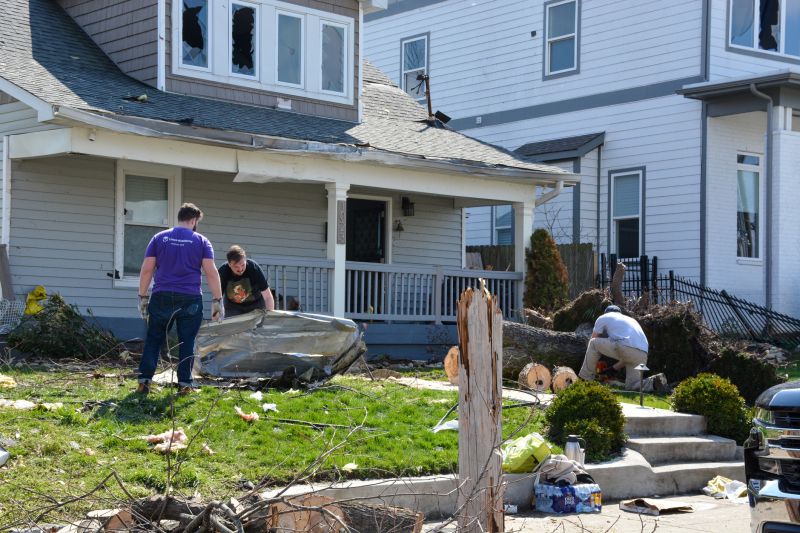
Image depicting crews repairing a roof after a storm, highlighting the importance of timely intervention.
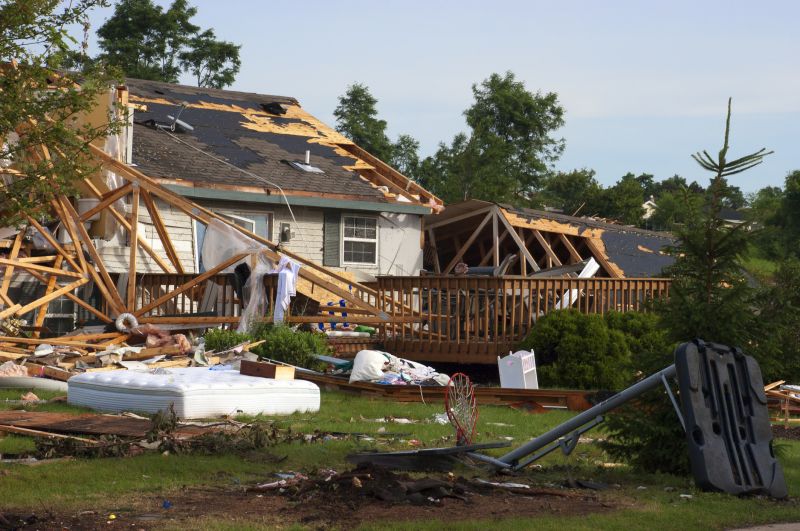
Photo showing damage evaluation on a residential property post-storm.
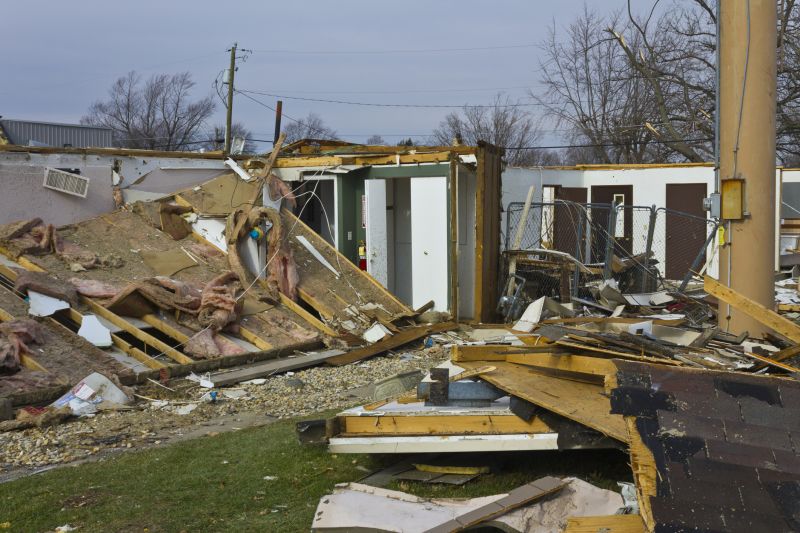
Image of a restored home with reinforced roofing and siding.
Ways to make Storm Restorations work in tight or awkward layouts.

Popular materials for Storm Restorations and why they hold up over time.
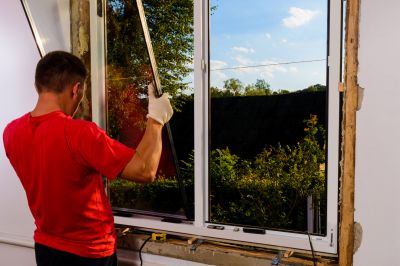
Simple add-ons that improve Storm Restorations without blowing the budget.
| Season | Advantages |
|---|---|
| Spring | Mild weather allows for efficient repairs and inspections. |
| Summer | Longer daylight hours and stable weather facilitate project completion. |
| Fall | Prepares properties before winter storms, reducing potential damage. |
| Winter | Generally less ideal due to cold and snow, but necessary in certain cases. |
Understanding the timing of storm restorations can significantly impact the effectiveness and durability of repairs. Scheduling during favorable weather conditions ensures safety, reduces delays, and enhances the quality of work. Proper timing also helps in minimizing further damage caused by ongoing storms or harsh weather.

Restoration work on a damaged roof after a storm, emphasizing timely intervention.
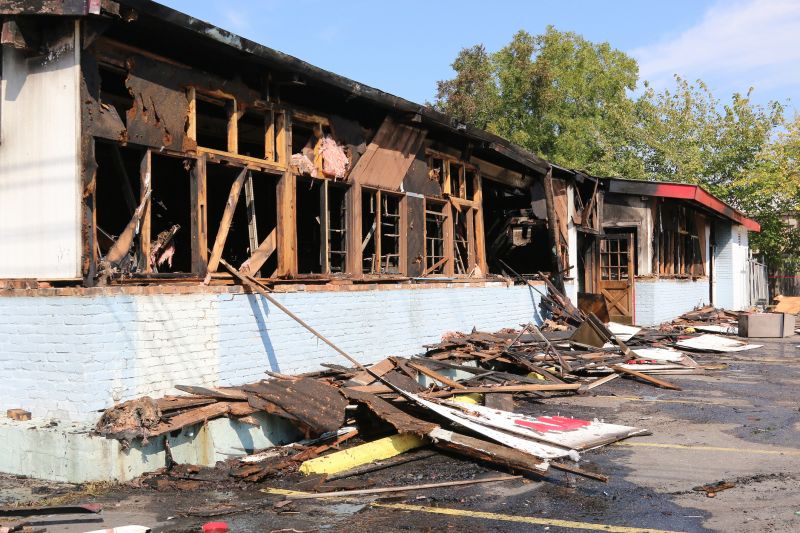
Team responding to storm damage in a residential area.
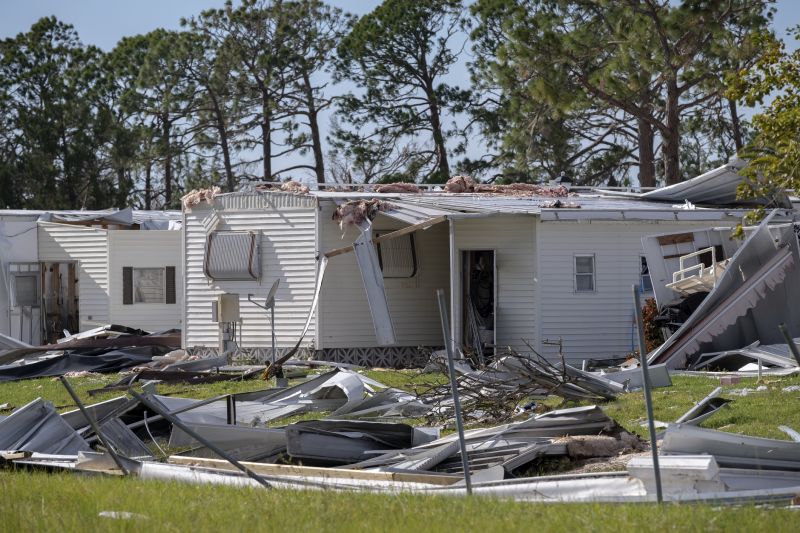
Completed storm restoration with reinforced roofing materials.
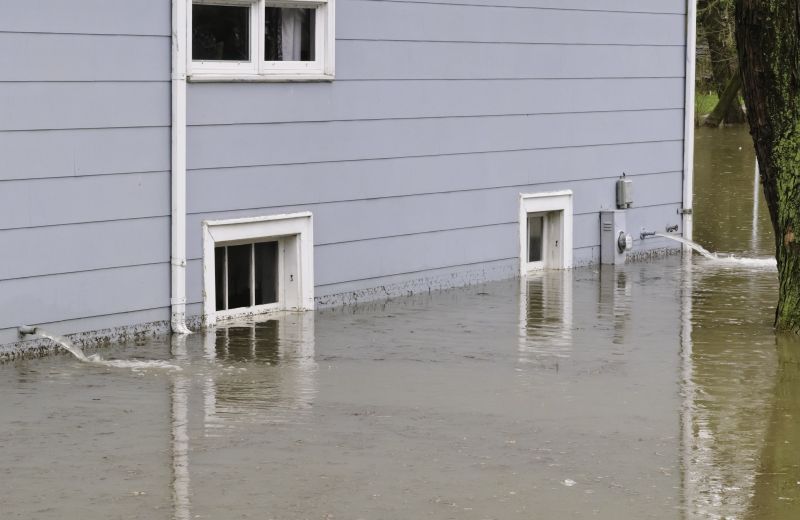
Inspectors assessing storm damage on a commercial building.

High-end options that actually feel worth it for Storm Restorations.

Finishes and colors that play nicely with Storm Restorations.

Little measurements that prevent headaches on Storm Restorations day.

A 60-second routine that keeps Storm Restorations looking new.
Timely storm restorations are essential to protect properties from further damage and to restore safety and stability. Planning restorations during optimal seasons ensures better weather conditions, enabling thorough repairs and reducing the risk of rework caused by adverse weather.